(+353) 894-131-649
 enquiries@applevalleymeat.com
 9 Bridge Street, Ashbourne, Meath, Ireland

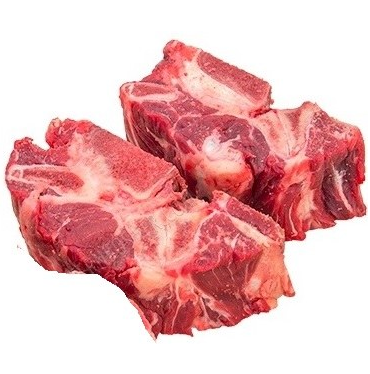
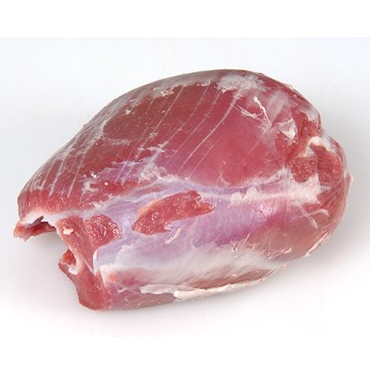
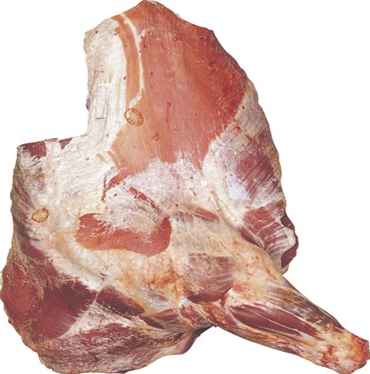
Beef Neck: The Underrated Cut You Should Be Cooking
Beef Neck Available For Sale . When most people think of beef cuts, they picture ribeye steaks, tenderloins, or brisket. But one of the most flavorful and cost-effective cuts often goes unnoticed — beef neck. Rich in collagen and full of bold, beefy taste, this underrated gem is perfect for slow-cooked meals that warm the soul.
What Is Beef Neck?
Beef neck comes from the upper portion of the cow, near the shoulder and head. It’s a well-used muscle, which means it’s tough and sinewy when raw, but with the right cooking technique, it transforms into tender, fall-apart meat that adds depth to any dish.
The neck contains a lot of connective tissue, especially collagen, which breaks down into gelatin during slow cooking. This makes it ideal for braising, stewing, or slow roasting.
Why Cook with Beef Neck?
1. Flavor
Beef neck is incredibly flavorful, with a deep, beefy taste that stands up to robust herbs, spices, and long cook times. The bones often included in the cut also enrich broths and stews with extra umami.
2. Affordability
It’s typically more affordable than prime cuts, making it perfect for budget-conscious home cooks who don’t want to sacrifice taste.
3. Versatility
You can use beef neck in a wide range of dishes:
-
Hearty stews and soups
-
Ragu or Bolognese sauce
-
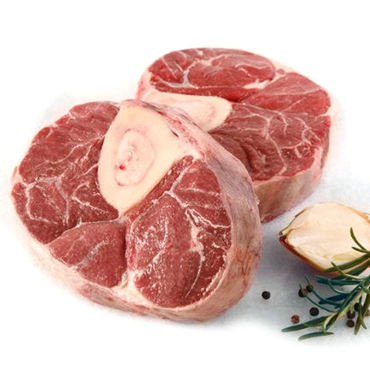
Braised dishes (like Osso Buco-style neck)
-
Bone broths
-
Pulled beef for tacos or sandwiches
How to Cook Beef Neck
🔥 Slow Braising
One of the most popular methods. Season the beef neck with salt, pepper, and herbs. Sear until browned, then simmer in broth, wine, or tomato sauce for 3–4 hours until the meat is fork-tender.
🍲 Stewing
Cut into chunks and cook low and slow with root vegetables and stock. The neck meat breaks down beautifully over time.
🍖 Roasting (Low and Slow)
Season well and roast covered at a low temperature (around 275°F/135°C) for several hours. Add moisture to the pan to help break down the connective tissue.
Nutritional Value
Beef neck is rich in:
-
Protein
-
Iron
-
Zinc
-
Collagen (great for joint health and skin)
Because of the bones and fat content, it’s a bit higher in calories than lean cuts, but offers a nutritional boost in terms of minerals and gelatin.