(+353) 894-131-649
 enquiries@applevalleymeat.com
 9 Bridge Street, Ashbourne, Meath, Ireland
Beef Fat (Tallow): A Forgotten Super fat Making a Comeback
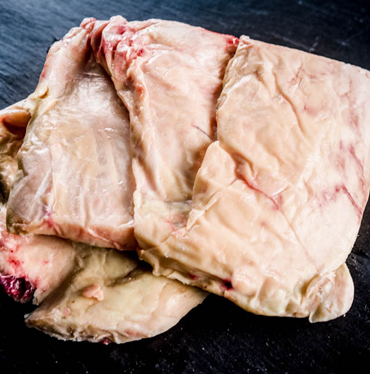
Beef Fat Available For Sale . Beef fat, or tallow, has long been a staple in traditional cooking and natural skincare—but for decades, it was cast aside in favor of vegetable oils and synthetic products. Now, thanks to growing interest in ancestral diets, nose-to-tail eating, and natural living, beef fat is regaining its rightful place in kitchens and homes around the world.
What Is Beef Fat?
Beef fat refers to the fatty tissue derived from cattle. When it’s rendered—slowly cooked to remove impurities—it becomes tallow, a shelf-stable, golden substance with a high smoke point and rich flavor.
There are two main types of beef fat:
-
Suet: The raw, hard fat found around the kidneys and loins. It’s prized for rendering into high-quality tallow.
-
Regular beef fat (trim): Found throughout the body, often trimmed from cuts during butchering.
Culinary Uses of Beef Fat
Historically, beef fat was a go-to cooking oil before industrial seed oils (like canola or soybean) became mainstream. Here’s why chefs and home cooks are bringing it back:
-
High Smoke Point: Ideal for frying and sautéing without breaking down.
-
Rich Flavor: Adds a deep, savory note to dishes, especially meats, vegetables, and even pastries.
-
Nutrient-Dense: Contains fat-soluble vitamins like A, D, E, and K2 when sourced from grass-fed cattle.
Popular uses include:
-
Frying potatoes or meats
-
Making pie crusts or biscuits (hello, flaky layers!)
-
Enriching stews and gravies
-
Greasing cast iron pans
Health Benefits (and Controversies)
Tallow was once demonized during the low-fat craze, but new research is reshaping its reputation.
Pros:
-
Stable at high heat: Unlike vegetable oils, tallow doesn’t oxidize easily.
-
Naturally occurring CLA (conjugated linoleic acid): May have anti-inflammatory and fat-burning properties.
-
Rich in saturated and monounsaturated fats: Supports hormone health and brain function.
Controversies:
-
High in saturated fat, which some health authorities still associate with heart disease. However, many experts now argue that quality and balance matter more than blanket avoidance.
Non-Culinary Uses
Beef fat isn’t just for the kitchen. For centuries, it’s been used in:
-
Skincare: Tallow balm mimics human sebum and is deeply moisturizing.
-
Candle-making: Burns cleanly and slowly.
-
Soap-making: Produces hard, long-lasting bars with a creamy lather.
-
Leather care: Natural conditioner for boots, saddles, and jackets.
How to Render Beef Fat at Home
Step 1: Chop suet or fat trimmings into small pieces
Step 2: Heat slowly in a pot or slow cooker on low
Step 3: Strain out solids
Step 4: Store in jars at room temp or in the fridge
Sourcing Beef Fat
Look for grass-fed, pasture-raised beef fat for the highest nutrient content and cleanest flavor. You can ask local butchers, farmers, or order from regenerative farms online.