(+353) 894-131-649
 enquiries@applevalleymeat.com
 9 Bridge Street, Ashbourne, Meath, Ireland
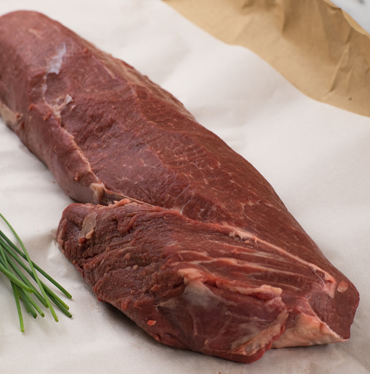
Beef Tenderloin Natural: A Culinary Gem
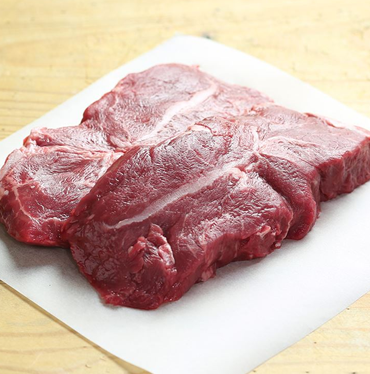
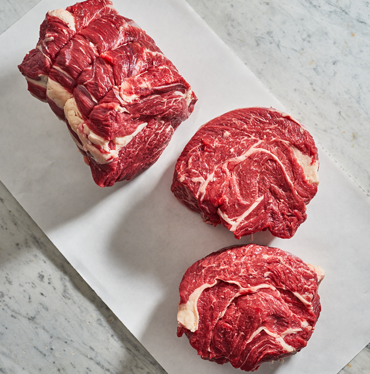
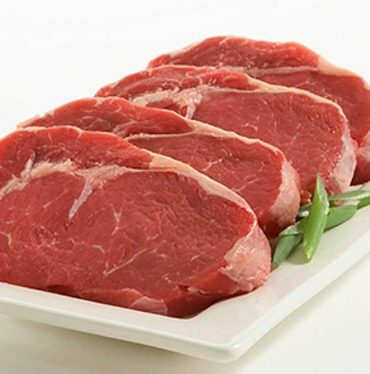
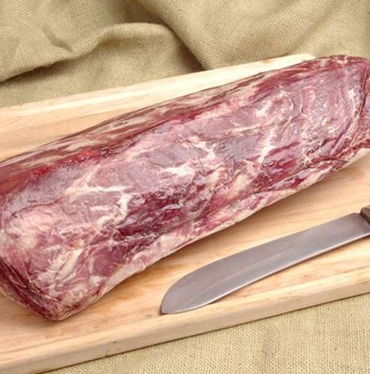
Beef Tenderloin Natural for sale . Beef Tenderloin Natural often referred to as the “king of steaks,” is one of the most prized cuts of beef. When labeled as “natural,” it typically means the meat is minimally processed and free from artificial ingredients, preservatives, or added hormones—making it a top choice for health-conscious and flavor-focused consumers alike.
What is Beef Tenderloin?
Beef tenderloin is a long, narrow, and lean muscle located within the loin of the cow. It is the source of some of the most tender steaks, including filet mignon, Chateaubriand, and tournedos. Its fine texture, buttery mouthfeel, and mild beef flavor make it ideal for both simple preparations and gourmet dishes.
What Does “Natural” Mean?
In the U.S., when beef is labeled as natural, it must meet USDA guidelines, which typically means:
-
No artificial ingredients
-
No added color
-
Minimally processed
-
Often raised without antibiotics or added hormones (though this varies depending on the producer)
Some producers take it a step further, offering grass-fed, pasture-raised, or organic natural beef, which can enhance both ethical appeal and nutritional profile.
Beef Tenderloin Natural for sale
Why Choose Natural Beef Tenderloin?
1. Purity of Flavor
Natural beef tenderloin tends to have a cleaner, more authentic flavor profile. The absence of additives or heavy processing allows the meat’s natural richness to shine through.
2. Health Considerations
Without artificial preservatives or chemicals, natural beef is often seen as a healthier alternative. When raised without antibiotics or growth hormones, it also appeals to those looking for more sustainable and ethical meat options.
3. Versatility in Cooking
Tenderloin’s tenderness and lean nature make it a blank canvas for a variety of preparations. Whether roasted whole, grilled, or pan-seared as medallions, it pairs well with herbs, wine reductions, and compound butters.
Cooking Tips for Natural Beef Tenderloin
-
Bring to Room Temperature before cooking to ensure even doneness.
-
Season Simply – coarse salt, cracked black pepper, and fresh herbs are often enough.
-
Use High Heat – whether searing or roasting, a hot surface helps create a flavorful crust.
-
Don’t Overcook – tenderloin is best served rare to medium-rare.
-
Rest Before Slicing – this allows juices to redistribute for maximum flavor and tenderness.