 (+353) 894-131-649
 enquiries@applevalleymeat.com
 9 Bridge Street, Ashbourne, Meath, Ireland

Pork: A Culinary Staple Across Cultures
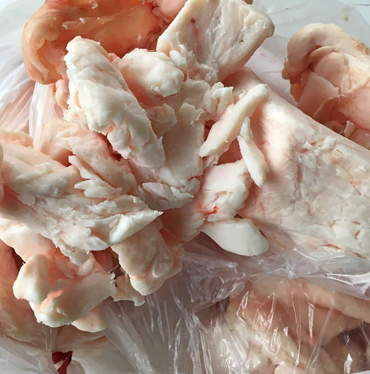
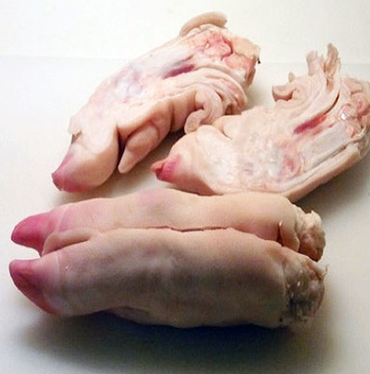
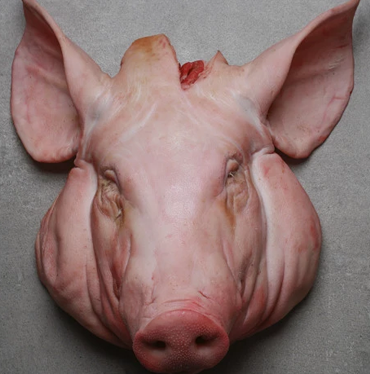
Pork products for sale near me, Pork, the culinary name for the meat of the domestic pig (Sus scrofa domesticus), is one of the most widely consumed meats globally. Valued for its flavor, versatility, and nutritional content, pork has played a central role in cuisines from Asia to Europe for thousands of years.
A Brief History
Domestication of pigs dates back to around 9,000 years ago in modern-day Turkey and China. As human civilizations grew, so did pig farming, spreading across Europe and Asia. Pork was a staple in the Roman Empire and remained a favored meat throughout medieval Europe. Meanwhile, in China, pork became a dietary cornerstone and continues to be the most consumed meat in the country. Pork products for sale near me
Types and Cuts of Pork
Pork is available in various cuts, each suited to different culinary techniques:
-
Pork loin – Lean and tender, often roasted or grilled.
-
Pork shoulder (also known as pork butt or Boston butt) – Rich in fat and connective tissue, ideal for slow cooking and pulled pork.
-
Pork belly – Fatty and flavorful, used in dishes like bacon or roasted with crispy skin.
-
Ham – The cured or smoked rear leg of the pig.
-
Ribs – A favorite for barbecuing, especially in American and Korean cuisines.
-
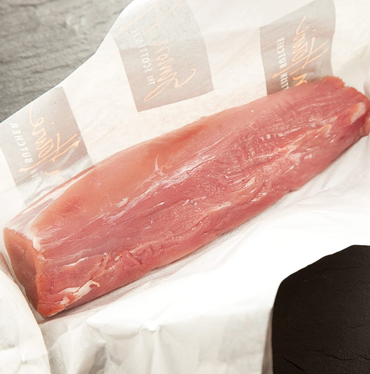
Tenderloin – One of the leanest and most tender cuts, often pan-seared or roasted.
Nutritional Value
Pork is a good source of high-quality protein and provides essential nutrients, including:
-
B vitamins, particularly B1 (thiamin), B6, and B12
-
Iron and zinc, which support immune function
-
Phosphorus and selenium, important for bone health and metabolism
While lean pork can be a healthy addition to a balanced diet, certain preparations—such as bacon or heavily processed sausages—can be high in sodium and saturated fat.
Cooking Methods
Pork can be prepared in countless ways:
-
Grilled or roasted – Ideal for chops, tenderloin, and loin roasts.
-
Braised or slow-cooked – Perfect for tougher cuts like shoulder or ribs.
-
Fried – Used for schnitzels, tonkatsu, or Southern-style pork chops.
-
Cured and smoked – Common in products like ham, prosciutto, and bacon.
Internal temperature is important for safety and quality. Modern guidelines recommend cooking whole cuts of pork to an internal temperature of 145°F (63°C), followed by a short rest period, to ensure juiciness while eliminating harmful bacteria.
Cultural and Religious Considerations
Pork plays a central role in many culinary traditions, especially in European, Chinese, and Latin American cuisines. However, it is also restricted in certain religions. Islam and Judaism prohibit the consumption of pork, considering it impure or unclean.
Sustainability and Modern Farming
Modern pork production faces scrutiny regarding environmental impact and animal welfare. Many consumers are now turning to more sustainable and ethical sources, including pasture-raised and heritage breed pork. Regulatory improvements and consumer demand are driving changes in the industry toward more humane and eco-friendly practices. Pork products for sale near me
Conclusion
Pork remains a beloved and essential protein for billions of people worldwide. Its versatility, flavor, and cultural importance make it a staple in countless dishes. When sourced responsibly and prepared thoughtfully, pork can be a nutritious and delicious part of any meal.
Pork: A Culinary Staple Across Cultures
Pork products for sale near me, Pork, the culinary name for the meat of the domestic pig (Sus scrofa domesticus), is one of the most widely consumed meats globally. Valued for its flavor, versatility, and nutritional content, pork has played a central role in cuisines from Asia to Europe for thousands of years.
A Brief History
Domestication of pigs dates back to around 9,000 years ago in modern-day Turkey and China. As human civilizations grew, so did pig farming, spreading across Europe and Asia. Pork was a staple in the Roman Empire and remained a favored meat throughout medieval Europe. Meanwhile, in China, pork became a dietary cornerstone and continues to be the most consumed meat in the country. Pork products for sale near me
Types and Cuts of Pork
Pork is available in various cuts, each suited to different culinary techniques:
-
Pork loin – Lean and tender, often roasted or grilled.
-
Pork shoulder (also known as pork butt or Boston butt) – Rich in fat and connective tissue, ideal for slow cooking and pulled pork.
-
Pork belly – Fatty and flavorful, used in dishes like bacon or roasted with crispy skin.
-
Ham – The cured or smoked rear leg of the pig.
-
Ribs – A favorite for barbecuing, especially in American and Korean cuisines.
-
Tenderloin – One of the leanest and most tender cuts, often pan-seared or roasted.
Nutritional Value
Pork is a good source of high-quality protein and provides essential nutrients, including:
-
B vitamins, particularly B1 (thiamin), B6, and B12
-
Iron and zinc, which support immune function
-
Phosphorus and selenium, important for bone health and metabolism
While lean pork can be a healthy addition to a balanced diet, certain preparations—such as bacon or heavily processed sausages—can be high in sodium and saturated fat.
Cooking Methods
Pork can be prepared in countless ways:
-
Grilled or roasted – Ideal for chops, tenderloin, and loin roasts.
-
Braised or slow-cooked – Perfect for tougher cuts like shoulder or ribs.
-
Fried – Used for schnitzels, tonkatsu, or Southern-style pork chops.
-
Cured and smoked – Common in products like ham, prosciutto, and bacon.
Internal temperature is important for safety and quality. Modern guidelines recommend cooking whole cuts of pork to an internal temperature of 145°F (63°C), followed by a short rest period, to ensure juiciness while eliminating harmful bacteria.
Cultural and Religious Considerations
Pork plays a central role in many culinary traditions, especially in European, Chinese, and Latin American cuisines. However, it is also restricted in certain religions. Islam and Judaism prohibit the consumption of pork, considering it impure or unclean.
Sustainability and Modern Farming
Modern pork production faces scrutiny regarding environmental impact and animal welfare. Many consumers are now turning to more sustainable and ethical sources, including pasture-raised and heritage breed pork. Regulatory improvements and consumer demand are driving changes in the industry toward more humane and eco-friendly practices. Pork products for sale near me
Conclusion
Pork remains a beloved and essential protein for billions of people worldwide. Its versatility, flavor, and cultural importance make it a staple in countless dishes. When sourced responsibly and prepared thoughtfully, pork can be a nutritious and delicious part of any meal.