(+353) 894-131-649
 enquiries@applevalleymeat.com
 9 Bridge Street, Ashbourne, Meath, Ireland

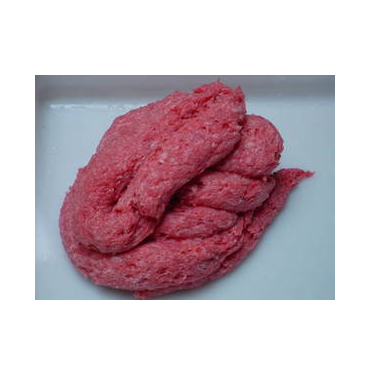
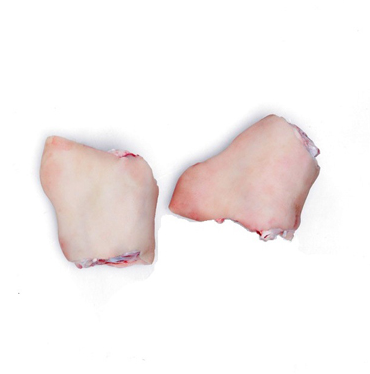
Pork Feet: A Culinary and Cultural Staple
Introduction
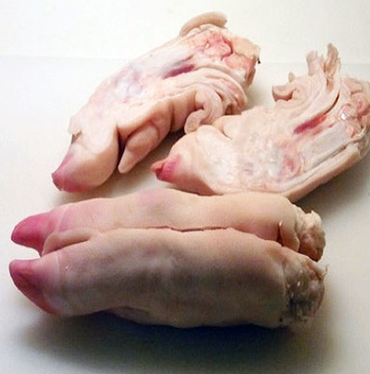
Frozen pork feet for sale,. Pork feet, also known as pig trotters, have been a part of global cuisine for centuries. Once considered a humble cut of meat, pork feet are now celebrated in kitchens around the world for their rich flavor, gelatinous texture, and nutritional benefits. Though often overlooked in modern Western cooking, pork feet remain a staple in many traditional dishes across Asia, Europe, Africa, and the Americas.
Culinary Uses
Pork feet are prized for their high collagen content, which gives dishes a thick, silky texture when slow-cooked. They are typically prepared through braising, stewing, or pressure cooking, allowing the tough connective tissue to break down into tender, flavorful meat.
Popular Dishes Featuring Pork Feet:
-
China: Braised pork trotters in soy sauce are a comfort food classic, often flavored with ginger, garlic, star anise, and rice wine.
-
Philippines: Crispy Pata, a deep-fried pork leg, is a festive dish that features crispy skin and tender meat.
-
Germany: Eisbein, or pickled and boiled pork knuckle, is often served with sauerkraut and potatoes.
-
Southern United States: Pickled pig’s feet are a traditional snack, commonly found in convenience stores and Southern soul food menus.
-
Jamaica: Pork feet are slow-cooked in soups and stews with spices and legumes for added richness.
Nutritional Value
Frozen pork feet for sale. Pork feet are high in collagen, a protein that supports skin, joint, and bone health. They are also rich in essential nutrients such as iron, zinc, and B-vitamins. However, they are also high in fat and cholesterol, so moderation is recommended for those with dietary restrictions.
Frozen pork feet for sale
Key Nutritional Benefits:
-
Collagen: Promotes skin elasticity and joint health.
-
Protein: Supports muscle repair and growth.
-
Minerals: Iron and zinc contribute to immune function and energy metabolism.
Cultural Significance
In many cultures, pork feet are not just a source of nourishment but also a symbol of resourcefulness and tradition. Their use reflects a “nose-to-tail” philosophy, emphasizing minimal waste and full utilization of the animal. In Asian cultures, pork feet are sometimes eaten during pregnancy or after childbirth to promote recovery due to their high collagen content.
Preparation Tips
Cooking pork feet takes time, but the results are worth the effort. Here are some tips:
-
Clean Thoroughly: Scrub the skin and remove any hairs before cooking.
-
Blanch First: Boil briefly to remove impurities and improve flavor.
-
Slow Cook: Low and slow cooking methods, like braising or pressure cooking, yield the best texture.
-
Flavor Generously: Spices, herbs, and aromatics enhance the rich, meaty taste.
Conclusion
Though not as mainstream as other pork cuts, pork feet are a flavorful and nutritious ingredient that continues to play an important role in traditional cuisines worldwide. Whether you’re exploring global flavors or embracing sustainable cooking, pork feet offer a delicious and culturally rich culinary experience.
Frozen pork feet for sale