(+353) 894-131-649
 enquiries@applevalleymeat.com
 9 Bridge Street, Ashbourne, Meath, Ireland
The Role and Benefits of Pork Fat: A Culinary and Nutritional Overview
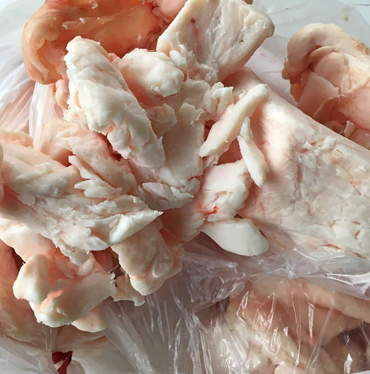
Frozen Pork Fat Available For Sale . Pork fat, often referred to as lard, has been a cornerstone of cooking in various cultures for centuries. From its use in savory dishes to its applications in baking, this versatile fat has both historical and modern significance in kitchens worldwide. But beyond its culinary uses, pork fat also has nutritional properties and health considerations that make it a unique subject of discussion.
What is Pork Fat?
Pork fat is the fatty tissue derived from pigs, and when rendered (melted), it becomes lard. The fat is typically extracted from the belly, back, and around the kidneys, although it can come from various areas of the pig. When rendered, lard is a creamy white substance that can be used as a cooking fat in a variety of ways, such as frying, sautéing, or in baked goods.
The Culinary Uses of Pork Fat
-
Frying and Sautéing: Pork fat has a high smoke point, meaning it can withstand high cooking temperatures without breaking down and producing harmful compounds. This makes it excellent for frying foods like potatoes, chicken, or pork itself. Its mild flavor also allows the natural tastes of the food to shine through, without overpowering them.
-
Baking: Pork fat is a favorite ingredient for making pie crusts, biscuits, and pastries. Its high fat content makes for a flaky, tender texture, which is ideal for baked goods. Many bakers still swear by lard for achieving the perfect pastry, and it’s often used in traditional recipes passed down through generations.
-
Flavoring: Beyond its use as a cooking fat, pork fat also imparts a rich, savory flavor to dishes. It is often used in slow-cooked dishes like stews, soups, and sauces. Lard is also the base for some traditional condiments, like refried beans in Mexican cuisine or rillette in French cuisine.
Nutritional Profile of Pork Fat
Pork fat, like all fats, is high in calories, which is something to be mindful of when including it in your diet. However, it contains a balanced mix of different types of fats that are important to understand.
-
Saturated Fat: Pork fat is high in saturated fat, which has historically been associated with an increased risk of heart disease. However, recent research has suggested that not all saturated fats are created equal, and the link between saturated fat and heart disease is more complex than previously thought. Some studies even suggest that moderate consumption of saturated fats from whole food sources, like pork fat, may not be as harmful as once believed.
-
Monounsaturated Fats: Pork fat also contains a significant amount of monounsaturated fats, the same type of healthy fats found in olive oil and avocados. These fats are known to help reduce bad cholesterol levels and improve heart health.
-
Omega-3 Fatty Acids: While pork fat is not a rich source of omega-3 fatty acids, pigs that are raised on pasture and fed a diet rich in omega-3s tend to produce pork fat with a better balance of these healthy fats. Therefore, choosing high-quality, pasture-raised pork can provide a better nutritional profile.
-
Vitamins and Minerals: Pork fat contains fat-soluble vitamins such as vitamin D, vitamin E, and some B-vitamins. These vitamins are essential for maintaining bone health, immune function, and overall well-being.
Health Considerations and Myths
While pork fat has earned a reputation as an unhealthy ingredient, much of this stems from decades of dietary guidelines that demonized fat in general. Modern nutrition research has started to recognize that fats, particularly those from whole, unprocessed sources like pork fat, are not necessarily the villain they were once made out to be.
That said, it’s essential to consume pork fat in moderation, just as with any fat source. Overconsumption of any fat—whether saturated, monounsaturated, or polyunsaturated—can lead to excess calorie intake and weight gain, which may contribute to other health issues. It’s also worth noting that processed pork fats, such as those found in commercially prepared products, can be high in trans fats, which are harmful and should be avoided.
The Environmental Aspect of Pork Fat
In recent years, there has been growing interest in the environmental impact of meat production, including pork. While pork fat itself doesn’t have a significant direct environmental footprint, the overall sustainability of pork farming does play a role. For those looking to reduce their ecological impact, choosing pork from farms that prioritize sustainable practices and animal welfare can make a difference. Frozen Pork Fat Available For Sale
The Resurgence of Pork Fat in Modern Cooking
As modern cooking trends lean toward using traditional ingredients, pork fat is making a comeback. Chefs and home cooks alike are rediscovering its benefits, especially in slow-cooked dishes, high-heat cooking, and baking. With a focus on whole, unprocessed foods, many are turning back to lard as a flavorful, nutritious, and versatile fat for their kitchens.
In addition to its culinary applications, pork fat is also being used in artisanal products such as soaps, lotions, and candles, highlighting its rich texture and natural properties.
Frozen Pork Fat Available For Sale