(+353) 894-131-649
 enquiries@applevalleymeat.com
 9 Bridge Street, Ashbourne, Meath, Ireland

The Rise of Pork Masks in Skincare: Collagen-Rich Beauty Trend Explained
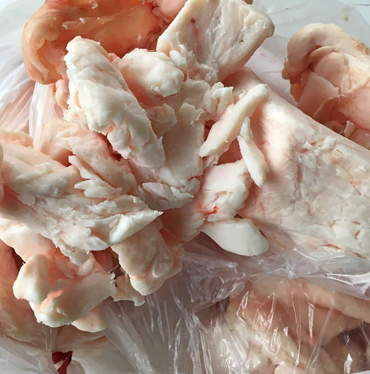
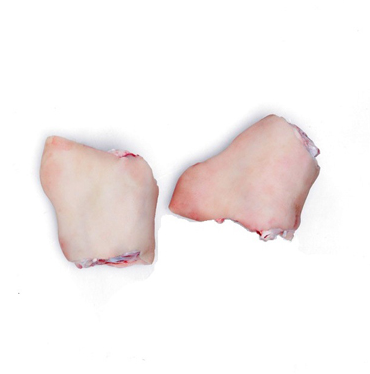
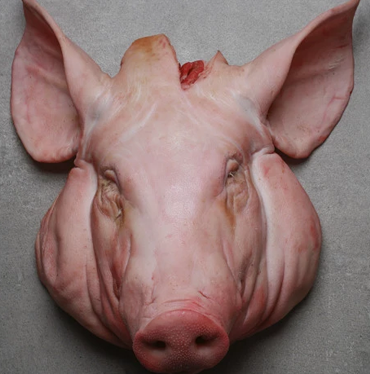
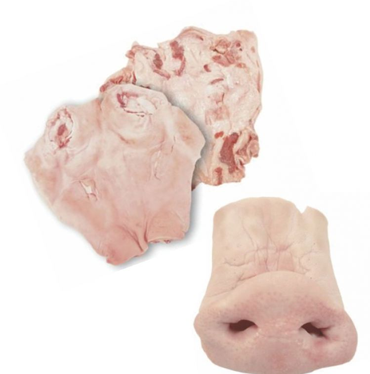
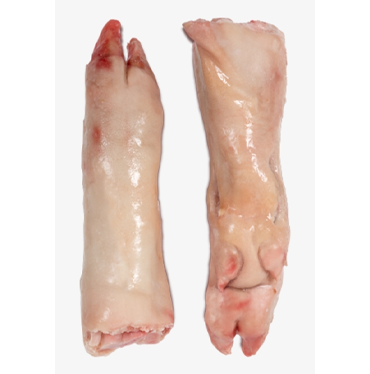
Frozen pork masks available for sale . In the ever-evolving world of skincare, innovation often draws from unexpected sources. One such trend that has caught the attention of beauty enthusiasts and skincare scientists alike is the use of pork-derived masks, commonly known as pork masks. While the term may raise eyebrows, the concept is rooted in traditional beauty practices and backed by science—especially when it comes to collagen.
What Are Pork Masks?
Pork masks typically refer to facial sheet masks or skincare products that contain collagen or gelatin extracted from pork. These ingredients are rich in amino acids and known for their ability to improve skin elasticity, hydration, and firmness.
The collagen used in these masks is often hydrolyzed, meaning it’s broken down into smaller peptides for better absorption. Gelatin, derived from pork skin and bones, serves as a natural film-forming agent, giving the mask its signature texture and adhesion.
The Science Behind It
Frozen pork masks available for sale . Collagen is a vital protein found in our skin, responsible for its structure, firmness, and elasticity. As we age, collagen production naturally decreases, leading to wrinkles, sagging, and dryness. Topical collagen, although not a direct substitute for our body’s natural collagen, can help moisturize, plump, and temporarily tighten the skin.
Pork-derived collagen closely resembles human collagen in structure, making it more biocompatible compared to other sources. This similarity can enhance its effectiveness, especially when applied regularly in skincare products.
Cultural and Traditional Roots
The use of pork-based ingredients in beauty is not new. In many East Asian countries—particularly South Korea, China, and Japan—pork bone broth and pork skin have long been valued for their beauty-boosting properties. Broth rich in gelatin and collagen is often consumed for its skin benefits, and this tradition has naturally extended into topical applications.
Ethical & Religious Considerations
Despite its benefits, pork masks are not for everyone. Individuals with dietary restrictions or religious beliefs (e.g., halal, kosher, vegetarian, or vegan) may avoid products with animal-derived ingredients. Fortunately, many brands now offer plant-based collagen alternatives, sourced from seaweed, soy, or genetically engineered microbes, offering similar results without ethical concerns.
Should You Try It?
If you’re looking for a collagen boost and don’t have restrictions against animal-derived products, pork masks can be a nourishing, hydrating, and affordable addition to your skincare routine. However, as with any skincare product, patch testing is essential, especially for those with sensitive skin.
Frozen pork masks available for sale