(+353) 894-131-649
 enquiries@applevalleymeat.com
 9 Bridge Street, Ashbourne, Meath, Ireland

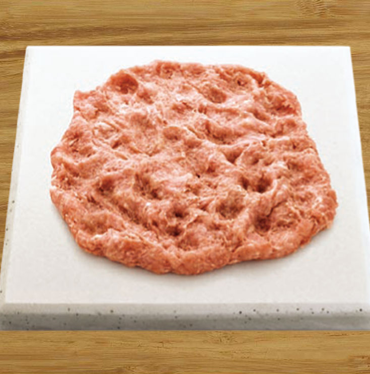
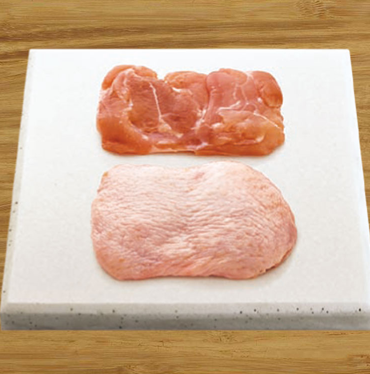
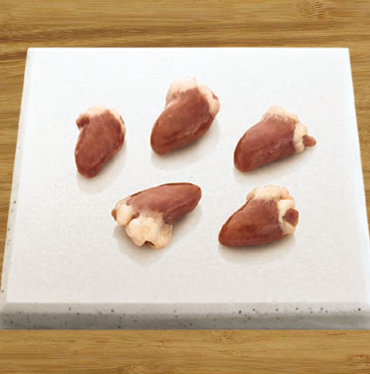
What Is Mechanically Deboned Meat (MDM)?
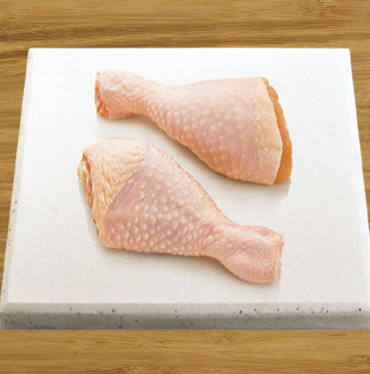
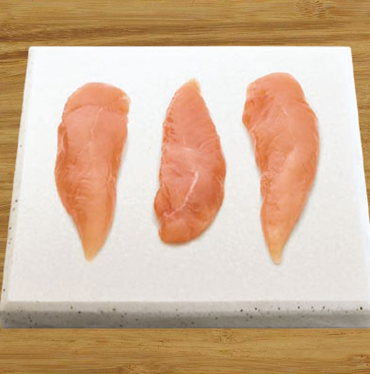
Mechanically Deboned Meat (MDM) is a finely ground meat product that is extracted from animal carcasses using high-pressure mechanical equipment. After the primary cuts of meat (like fillets, thighs, and drumsticks) are removed, the remaining bones, which still have some meat attached, are processed to recover this residual meat efficiently.
The MDM process is most commonly applied to poultry, especially MDM chicken, but it can also be used with pork and other meats.
How Is Mechanically Deboned Meat Made?
The process of producing MDM involves the following steps:
-
Collection of Bones: After traditional meat cuts are removed, the leftover bones with attached tissue are collected.
-
Mechanical Separation: These bones are fed into a mechanical deboner which applies pressure to force the meat through a sieve, separating it from bone fragments.
-
Screening and Quality Control: The resulting product is screened for bone particles and standardized for moisture, fat, and protein content.
This process allows producers to reduce waste and increase yield from every animal.
Benefits of Mechanically Deboned Meat
1. Efficiency and Sustainability
MDM helps maximize meat utilization from each animal, reducing food waste and improving sustainability in meat processing.
2. Cost-Effectiveness
Because it uses meat that would otherwise go to waste, MDM is more affordable than traditional cuts. This makes it a popular choice for bulk meat products.
3. High Protein Content
Despite its lower cost, MDM is still rich in protein and essential nutrients, making it a valuable ingredient in many processed foods.
Common Uses of MDM in the Food Industry
MDM is widely used in the production of various processed meat products, including:
-
Chicken nuggets
-
Sausages and hot dogs
-
Luncheon meats
-
Pet food
-
Canned meat products
-
Meat spreads and pâtés
Its smooth texture and versatility make it ideal for forming, flavoring, and blending with other ingredients.
Safety and Quality Standards
MDM is regulated by food safety authorities such as the USDA, FDA, and EFSA (European Food Safety Authority). These organizations set strict limits on calcium and bone content, and ensure hygienic processing environments to maintain quality and safety.
Concerns and Misconceptions
Some consumers worry about MDM because it’s associated with lower-cost products or unfamiliar textures. However, when produced under regulated conditions, MDM is safe and nutritious. Education and transparency in labeling help reduce stigma and promote informed choices.
Final Thoughts
Mechanically deboned meat plays a crucial role in modern meat processing. It supports sustainability, enhances affordability, and maintains a strong nutritional profile. Whether in hot dogs, chicken nuggets, or pet food, MDM continues to be a vital component of the food supply chain.